
Leather Winter Gloves Manufacturer and Supplier
Handy Gear Gloves is a leather winter gloves manufacturer and exporter based in Sialkot, Pakistan.We develop leather gloves for winter collections, outdoor brands, fashion labels, wholesalers, distributors, and private-label buyers looking for cold-weather handwear with a combination of leather construction, warmth, fit, and seasonal styling.
Winter gloves are built differently from lightweight leather gloves. Adding insulation changes the internal volume of the glove, affects finger movement, influences the required pattern size, and changes how the hand sits inside the finished product. The outer leather is only one part of the construction; the lining, insulation, cuff, seam arrangement, and overall pattern must work together.
Our manufacturing departments cover cutting, stitching, printing, embroidery, component assembly, finishing, quality inspection, and packaging. Buyers can develop leather winter gloves around their preferred leather, lining, insulation, colors, construction, branding, and packaging requirements.
Along with winter gloves, we also make mechanic gloves that provide a comfortable fit, flexibility, and dependable protection for hands-on work.
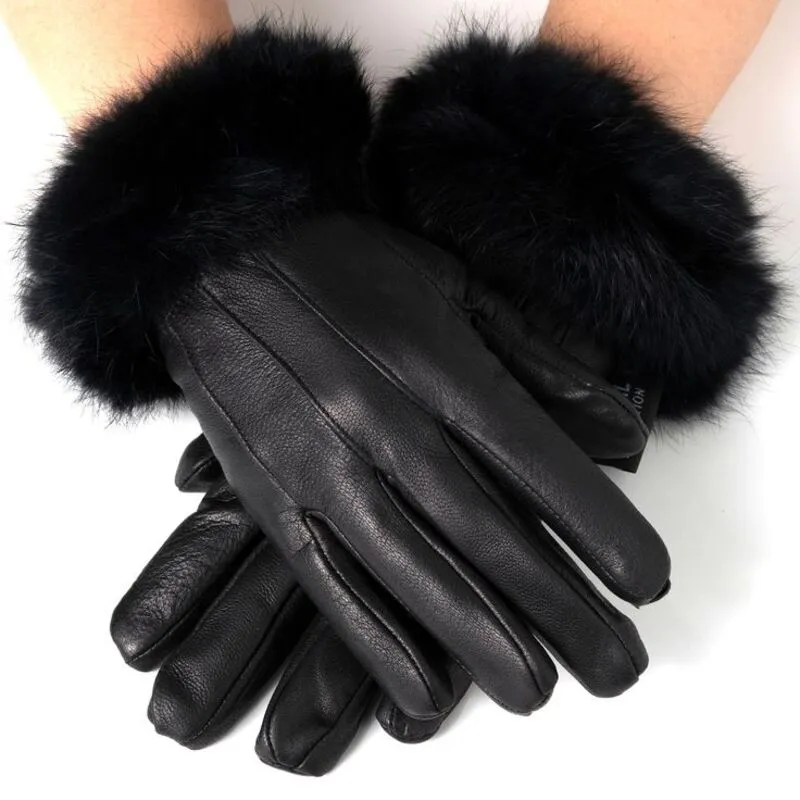
What Makes a Leather Winter Glove Different?
winter glove has to create a warmer environment around the hand without becoming unnecessarily bulky. This creates a different manufacturing problem from producing a thin fashion or driving glove.
The design has to accommodate:
- Outer leather thickness and flexibility.
- Internal lining.
- Insulating material where required.
- Finger-to-finger spacing.
- Additional internal volume.
- Wrist and cuff coverage.
- Seam construction.
- Desired hand mobility.
- Overall seasonal appearance.
These elements cannot be finalized independently. For example, changing the lining thickness can affect the fit of the entire glove. Increasing insulation around the fingers can also change the amount of space required inside the finger compartments.
For this reason, winter glove development should be based on the complete construction rather than simply adding a warm lining to an existing leather glove pattern.
Building the Pattern Around the Winter Interior
A winter glove cannot always use the same pattern as an unlined leather glove.
Once lining and insulation are introduced, the hand requires additional internal space. If the pattern is not adjusted appropriately, the finished glove may feel tight even when the outer dimensions appear correct.
Our product development can account for:
- Palm circumference.
- Finger compartment volume.
- Thumb construction.
- Lining thickness.
- Insulation thickness.
- Wrist opening.
- Cuff length.
- Size grading.
This is particularly important for brands ordering several sizes. A winter glove should be evaluated across the intended size range because internal construction can affect different sizes differently.
Finger Mobility in a Warm Glove
Warmth and dexterity often have to be balanced.
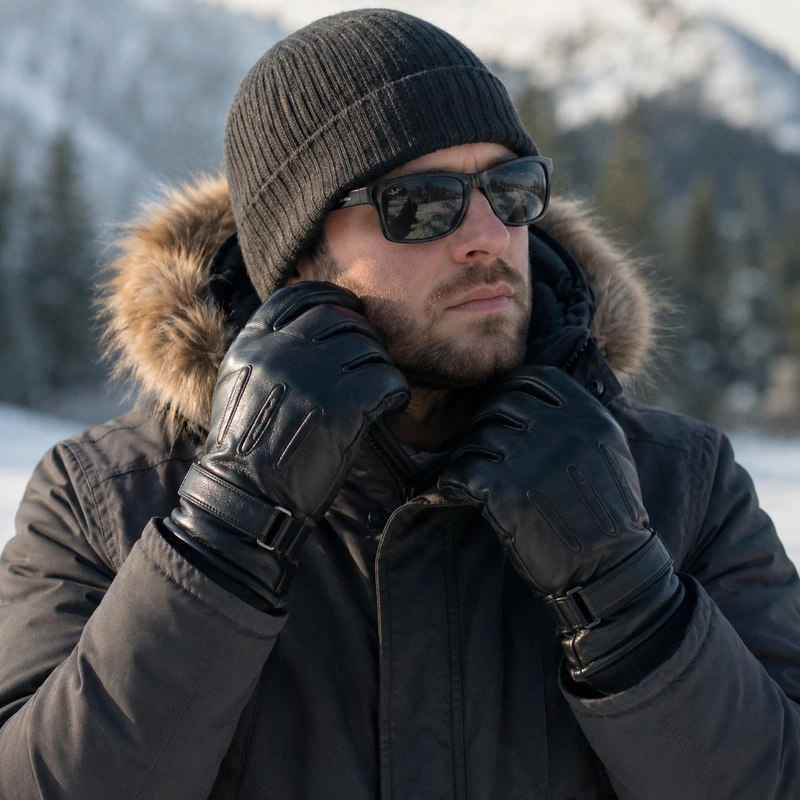
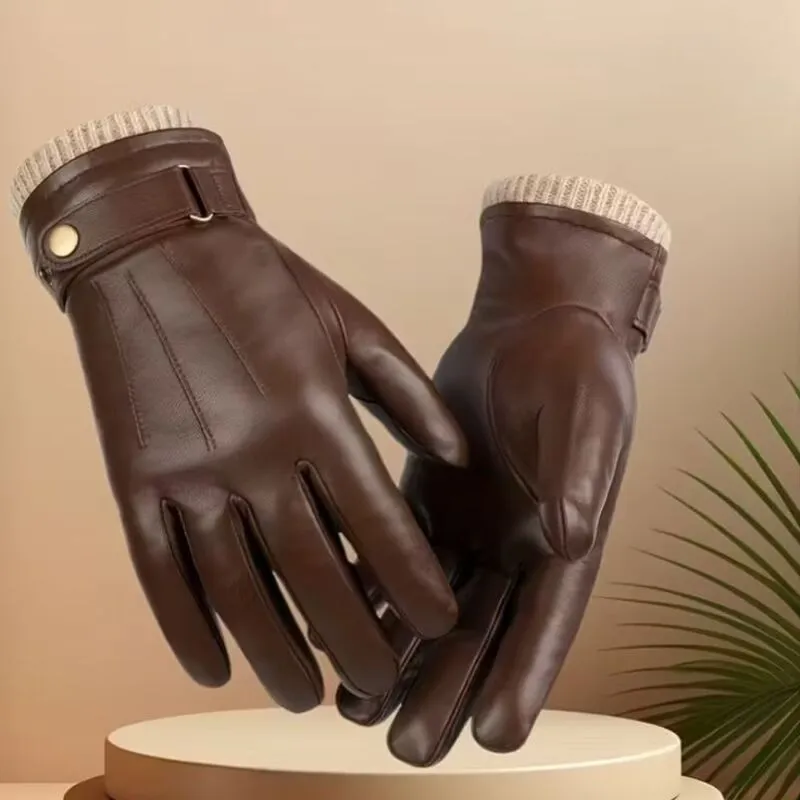
A very heavily insulated glove may provide a different level of warmth but can reduce the ease with which the wearer bends the fingers. A fashion winter glove may require a different balance from a glove designed for outdoor activities.
The finger design can therefore be developed around the intended use.
For example, a city winter glove may prioritize a slim silhouette and comfortable finger movement, while a heavier outdoor glove may allow more internal volume for insulation.
During sampling, the buyer should assess:
- Whether the fingers bend naturally.
- Whether the lining stays correctly positioned.
- Whether the thumb moves independently.
- Whether the fingertips have sufficient internal space.
- Whether the glove remains comfortable when the hand is closed.
- Whether the cuff remains secure during movement.
These practical checks are more useful than judging warmth or fit from the glove’s appearance alone.
Thumb Construction in Insulated Leather Gloves
The thumb can become one of the most difficult areas to fit when insulation is added.
The thumb compartment needs enough space for movement while connecting correctly to the palm and lining. Its angle, panel arrangement, and internal construction can influence how naturally the wearer closes the hand.
For custom development, the thumb can be reviewed for:
- Thumb length.
- Thumb circumference.
- Connection to the palm.
- Seam placement.
- Internal lining alignment.
- Insulation distribution.
- Flexibility during hand movement.
A winter glove sample should be tested with the hand both open and closed so that the thumb construction can be evaluated under movement rather than only at rest.
Along with winter gloves, we also make tactical gloves that offer comfort, flexibility, and reliable hand protection for demanding use.
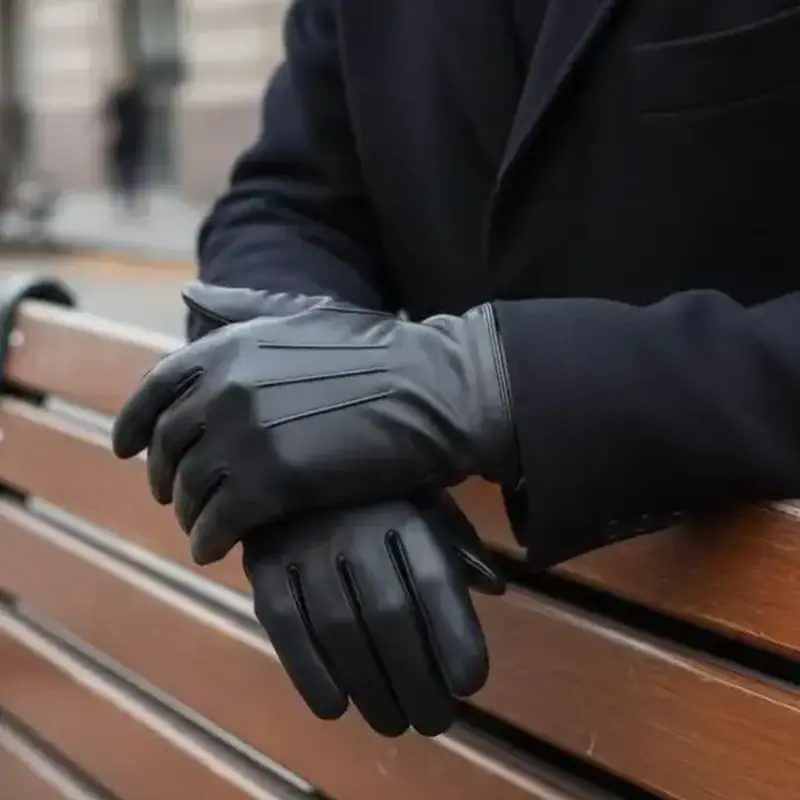
Leather and Lining Need to Be Tested Together
One common development mistake is approving the leather first and selecting the lining later.
The finished glove depends on the relationship between the two.
A soft leather may work well with one lining thickness but become difficult to fit with another. Similarly, a thicker lining can change the apparent size and finger proportions of the finished glove.
For this reason, commercial buyers should review the complete glove sample rather than approving the outer leather alone.
Sample evaluation can include:
- Outer leather appearance.
- Lining feeling.
- Internal finger space.
- Thumb movement.
- Palm fit.
- Wrist fit.
- Cuff appearance.
- Stitching.
- Edge finishing.
- Color consistency.
- Overall hand feel.
Once the construction is approved, the same specifications should be maintained during production.
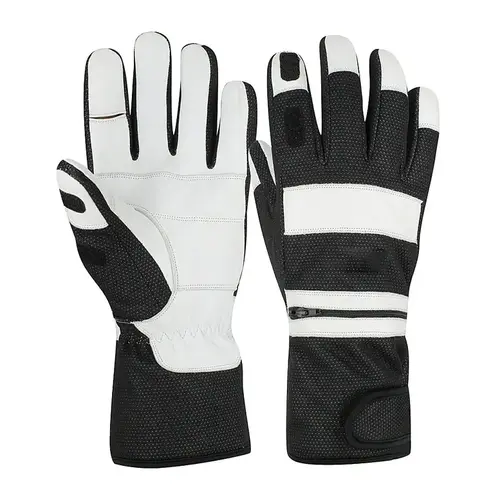
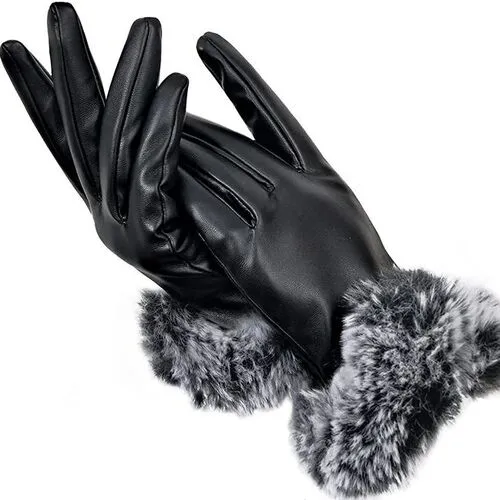
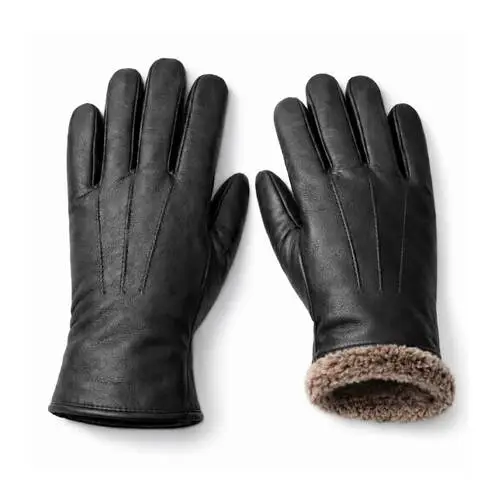
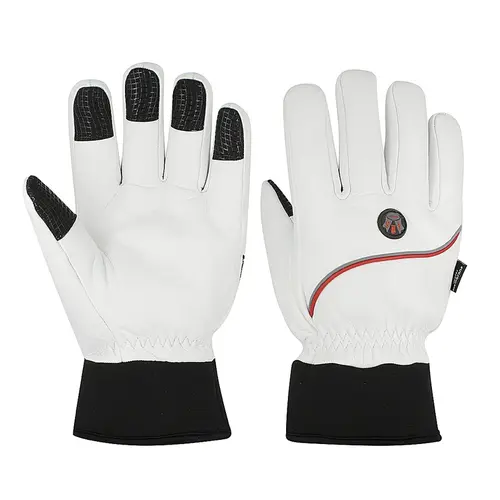
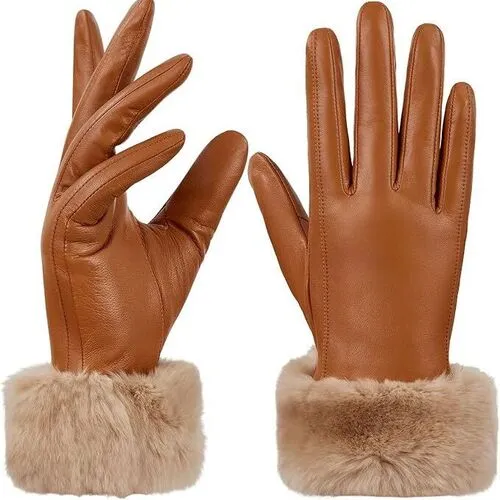
Leather Selection for Cold-Weather Collections
Leather gives winter gloves much of their visual character and outer construction, but different leather types behave differently when used in an insulated glove.
Depending on the product direction, buyers may consider different leather types, finishes, grains, and thicknesses. The selection should take into account the desired appearance, softness, flexibility, durability, price positioning, and compatibility with the winter lining.
Soft Leather for a Close-Fitting Winter Glove
A softer leather can be considered when the product requires a more flexible hand feel and closer fit. The pattern still needs to accommodate the internal lining and insulation.
Full-Grain and Natural Leather Appearance
Where the brand wants a more natural leather appearance, grain characteristics and surface consistency become important parts of product approval. Buyers should approve the actual leather sample rather than relying only on a material name.
Suede and Napped Leather Directions
Suede and other napped leather finishes can create a different visual and tactile character for winter collections. Their surface appearance, color consistency, and finishing requirements should be considered when developing the final product.
Fashion-Focused Leather Finishes
Winter gloves can also be developed around specific colors, surface treatments, contrast panels, decorative stitching, or other visual details. These features should be incorporated into the pattern and construction from the development stage.
The final leather specification should be confirmed through samples, particularly when the gloves are being produced in multiple colors or across a seasonal collection.
Private-Label Leather Winter Gloves
Handy Gear Gloves works with brands and commercial buyers developing leather winter gloves under their own labels.
A private-label winter glove project can involve custom leather selection, lining, insulation, colors, patterns, cuff construction, branding, labels, and packaging.
For a seasonal collection, buyers can develop multiple models with a shared visual identity while changing the construction according to different customer requirements.
For example, one collection could include a slim leather glove for everyday city wear, a warmer extended-cuff model, and a suede-based winter style. Each product would have its own pattern and construction while maintaining consistent branding and packaging.
Leather Winter Gloves for Different Seasonal Collections
Not every winter glove needs the same construction. A brand may build several models around different customer expectations and price points.
Classic Leather Winter Gloves
A classic model can focus on clean leather panels, a refined silhouette, warm interior construction, and understated finishing.
Fashion Leather Winter Gloves
Fashion collections may use contrast colors, decorative stitching, cuff details, buttons, straps, quilting, or other visual elements. These details can be incorporated directly into the pattern rather than added as an afterthought.
Suede Winter Gloves
Suede or other napped leather can provide a softer visual direction and can be combined with different lining and cuff treatments according to the collection.
Insulated Outdoor Leather Gloves
Outdoor-oriented models can be developed with greater emphasis on coverage, insulation, reinforcement, and practical construction. Any specific thermal, waterproof, or protective performance claim should be supported by the actual product specification and appropriate testing.
Premium Leather Winter Collections
A premium collection may place greater emphasis on leather selection, hand feel, lining quality, finishing, fit, and small construction details. Material approval and sample consistency become particularly important at this product level.